The Evil That Never Left
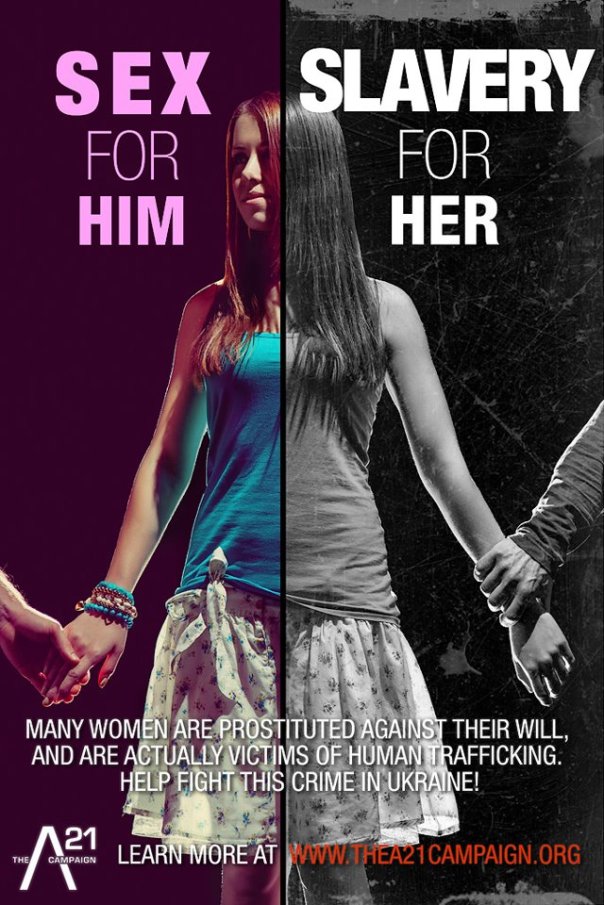
The $32 billion industry:The modern day slave trade is worth about 32 billion dollars, occurs in almost every, if not every country in the world, and involves over 27 million people. This industry is the third largest and fastest growing in the world behind drugs and guns. There are two million sex slaves world wide, with over 8 million children being in this illegal industry.
Criminals or slaves:Sex trafficking victims are most often treated like criminals, this helps to enforce their belief that the police cannot be trusted. This distrust makes it more difficult for the police to help these people.
Superbowl is a big day for traffickers: The super bowl is the single biggest event for trafficking in the United States, with one survivor telling that she was expected to sleep with 25 men on that Sunday. When these people come from all over the US just to see this event for a single day, it's a great opportunity for slave owners to profit.
Helping is easier then you think: You can get involved with an organization or report any suspicious activity by calling the human trafficking hotline. If everyone helps out in some way, slavery could be gone in as soon as 25 years from now.
Kids and labor: Rambho Kumar, age 13, was taken to a carpet factory to work looms when he was younger. When he was little, he loved to play and roam around with some kids from around his village and other villages. Rambho has 6 brothers including himself, and when his family didn't have any money, his mother told him to go and work with the looms. After 2 days they taught him how to use the machine, but he cut his hand. They dipped his hand in boiling oil and told him to get back to work. If Rambho ever made a mistake on a carpet, the owner would beat him with a stick. The owner always told Rambho that he would never return to school, that he would work the rest of his time. Rambho would work from 4 in the morning till 11 at night, which even for adults are extremely long hours. Rambho worked at the loom for a total of around one year before a man and police came and got him out. Rambho told the interviewer that he wasn't scared when the police came because he knew that they wouldn't do anything to him. Now, Rambho is very happy studying and learning in Bal Vikas Ashram, India and doesn't want to return home.
Signs of human trafficking and what you can do to help: There are many tell tale signs that someone is part of human trafficking. If they are nervous, fearful, paranoid, or if they avoid eye contact. They appear malnourished or lack healthcare. They have few to no possessions, they don't have their personal records, or they will have someone speaking or translating for them. When asked about where they live, they will say they are visiting someone, and they will have numerous inconsistencies in their story. If you see any of these activities or something else that looks suspicious then you can call the human trafficking hotline or then national human trafficking resource center. You can also join an organization like Polaris Project or Not For Sale.
 https://humantrafficwatch.files.wordpress.com/2013/02/42383534308.jpeg?w=604&h=906

